Frameless Shower Partition 4×7 ft Hinged 2.5 ft Door · 10mm · Frameless
Hinged 2.5 ft door + 1.5 ft fixed · 10mm clear toughened · Straight
₹17,677
Before GST · Live rate
Frameless glass showers trade visible aluminium channels for thicker toughened panels and precision hardware. The aesthetic is cleaner; the tolerance for sloppy walls is lower.
If you are comparing frameless glass shower price in India, read this before you anchor on a per-sqft meme from social media — real quotes hinge on hardware class and panel geometry more than buzzwords.
Profile-minimal package: 10mm logic, hinged or sliding, with hardware finishes.
10mm Clear Toughened Glass + Professional Installation
Hinged: Hinges, Handle, Knob, Magnetic Seal, Silicone, L-Connector
Sliding: Top Track, Round Knob Handle, D-Seal, Bottom Guide
Seals: T, F, Magnetic, D-type (Black/Clear) – No Extra Cost
WoodenMax packages
Live calculator rates · Update when supplier rates change.
Hinged 2.5 ft door + 1.5 ft fixed · 10mm clear toughened · Straight
₹17,677
Before GST · Live rate
Sliding half–half (2 + 2 ft) · 10mm clear toughened · Straight
₹22,374
Before GST · Live rate
Hinged 2.5 ft door + 2.5 ft fixed · 10mm clear toughened · Straight
₹20,796
Before GST · Live rate
Sliding half–half (2.5 + 2.5 ft) · 10mm clear toughened · Straight
₹26,378
Before GST · Live rate
Hinged 2.5 ft door + 3.5 ft fixed · 10mm clear toughened · Straight
₹23,914
Before GST · Live rate
Sliding half–half (3 + 3 ft) · 10mm clear toughened · Straight
₹30,382
Before GST · Live rate
Hinged 2.5 ft door + 4.5 ft fixed · 10mm clear toughened · Straight
₹27,033
Before GST · Live rate
Sliding half–half (3.5 + 3.5 ft) · 10mm clear toughened · Straight
₹34,386
Before GST · Live rate

Framed systems spread loads through continuous channels. Frameless layouts concentrate stress at discrete clamps, hinges, or patch fittings. Engineers specify thicker glass, beefier hardware, and tighter install discipline — that combination lifts both material and labour cost versus entry framed packages.
Planning bands for frameless-style work often start noticeably above basic framed quotes; premium hinges and import handles widen the gap further. Use the on-page calculator, then contrast assumptions with our framed vs frameless shower comparison.
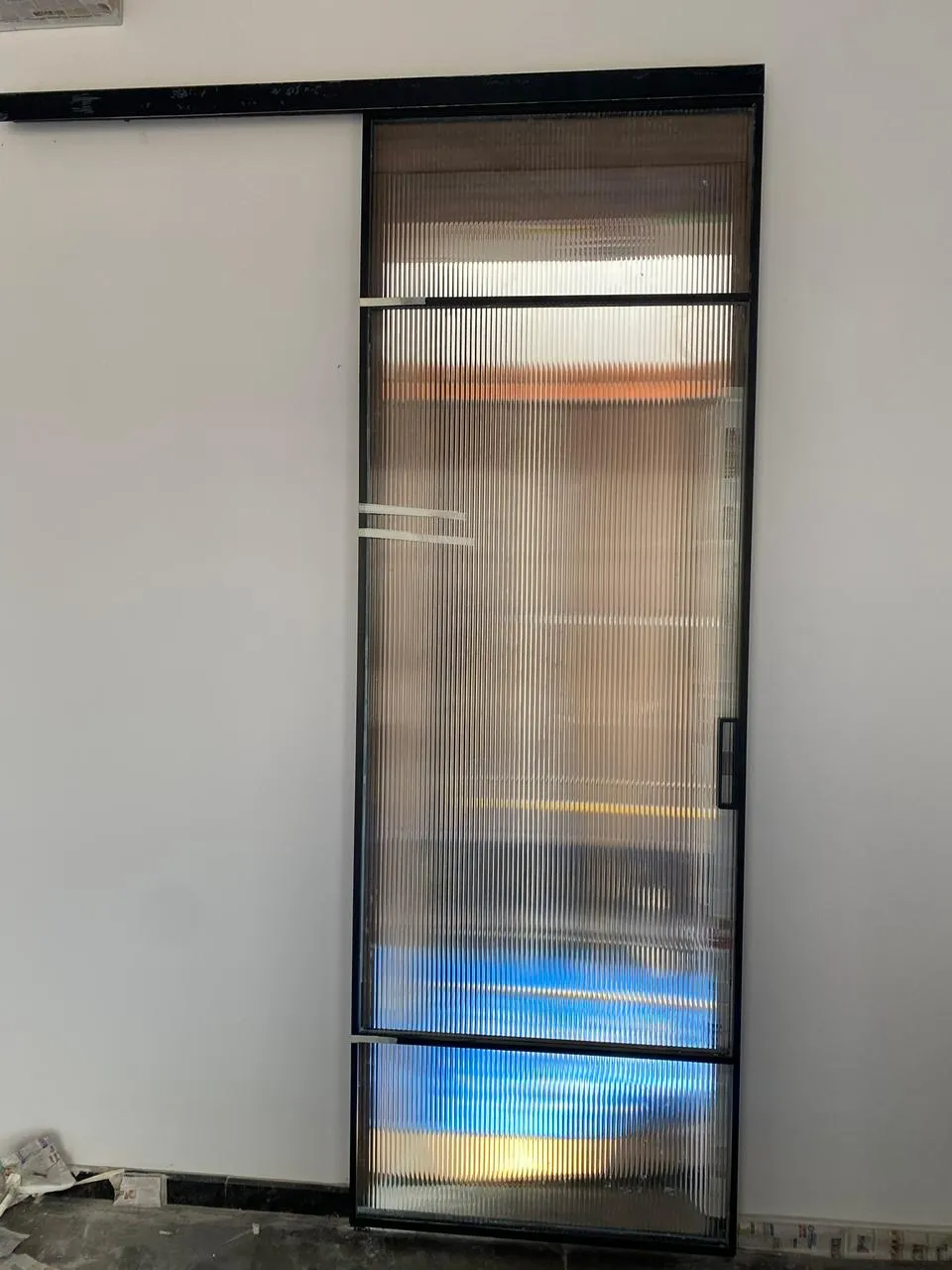
Large door leaves and tall fixed returns usually push designs toward 10mm toughened or reinforced configurations. The relationship between span and thickness is not cosmetic — it affects deflection and hardware wear. Study shower glass thickness before you sign off on a specification sheet.
Hinges, wall brackets, and handles see daily torque. Cutting corners here costs more later in adjustment calls or replaced gaskets. Ask vendors about adjustment range, spare part availability, and corrosion resistance — especially in coastal cities.
Fewer metal edges can mean faster wiping — but water still dries on glass. If hard water is aggressive in your area, adopt the habits in shower glass maintenance early.
Frameless work punishes uneven tile planes. Expect installers to spend time shimming, aligning, and testing swing arcs. Labour is part of the value — see shower installation cost.
If you prioritise a minimal visual, can budget for quality hardware, and have walls that are reasonably true, frameless is compelling. If budget is tight and walls are rough, a slim framed or hybrid system may be kinder — revisit glass shower partition price for the wider menu.
Use this table to shortlist a direction, then run the calculator above for your exact sizes.
| Solution | Best when | ₹/sqft hint | Article |
|---|---|---|---|
| Glass partition (hinged / fixed run) | Standard wet zone, need door swing or fixed screen | Wide band — check calc | Partition price |
| Sliding shower door | Tight clearances, long openings | Often project quotes ₹12k–45k | Sliding price |
| Corner / enclosure | Splash control priority | Area + hardware | Enclosure price |
| Walk-in partial glass | Minimal door, good drainage | Panel-heavy | Walk-in |
| Frameless minimal metal | Premium look, easier wipe-down | Higher fittings | Frameless price |
Related decisions: Curtain vs glass · Framed vs frameless · Thickness · Glass types
Usually yes, because thicker glass and premium fittings are common. Exact gap depends on brands and panel layout.
Many designs use 10mm on larger panels, but engineering varies — confirm with your supplier for your opening.
Proper alignment, seals, and sill detail manage spray. Poor installation causes leaks in any system.
Sometimes with extra labour and shims; severe unevenness may push you toward framed solutions.
See shower glass types for clear versus frosted trade-offs.
Read sliding shower door price if swing or track layouts fit your bath better.