Difference Between System Window and Regular Aluminium Window
System window vs normal aluminium: engineering, water rating, and why ₹/sqft bands diverge. 29mm calculator + 2026 India comparison for architects and owners. This page’s live tool is the 31mm system sliding product — 31mm system sliding in the app — for apples-to-apples against non-system quotes.
Package line (this page): Comparison at 8mm clear tier; laminated in tool when you pick safety/ acoustic builds. Planning strip: ₹1160–₹2720/sq.ft (before GST).
The system window vs normal window question is really about verified performance vs lowest first cost. A “normal” aluminium window might use generic sections and field shortcuts; a system window is bought as a performance line with gaskets, tested drainage, and hardware matched to the section. In 2026 India, non-system shop work can still quote below ~₹1150/sq.ft for dry internal openings, while certified system facades for premium projects are usually modelled in the ₹1160–₹2720/sq.ft band (before GST) for supply + install. The 31mm system sliding calculator on this page anchors the premium track stack for fair comparison to “normal” quotes.
Item
Normal make
System line
Monsoon water paths
Variable site fixes
OEM gaskets + weeps
Hardware matching
Adapters common
Native pockets
Aluminium system window — ₹/sqft comparison (this page’s band)
This guide uses a dedicated ₹1160–₹2720 / sq.ft planning strip (supply + install, before GST). Package focus: Comparison at 8mm clear tier; laminated in tool when you pick safety/ acoustic builds. Broader market context often quotes ~₹1150–₹3000 for certified system work — the tables below are a tighter, page-specific slice for SEO and BOQ notes.
Spec band
Indicative ₹/sqft (this page)
What is included
Entry system
₹1,160 – ₹1,597
6mm, standard powder, basic hardware, metro install
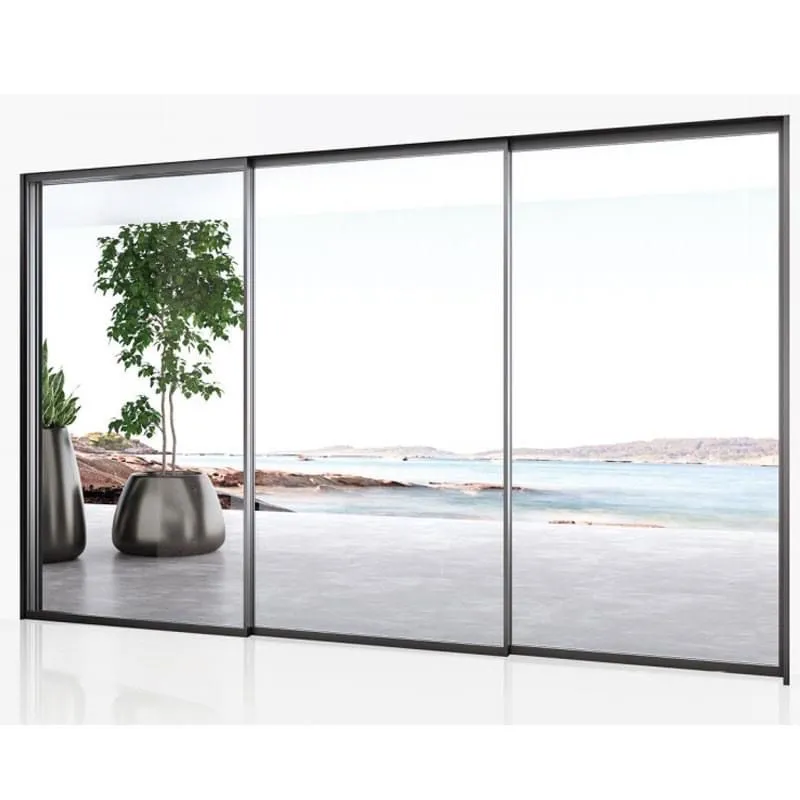
Side-by-side: equal glass area but different frame depth, gasket position, and roller vs hinge hardware.
Live calculator — 31mm system sliding
Numbers are estimates — GST, lifting, and unusual site access are finalised after inspection. Product in tool:system-sliding-31mm — same engine as our 2-track premium / sliding calculators, with the name matched to this page.
No hidden cost • Free estimate • Price based on your size • GST extra
Live Price Calculator
Total Area: 0.00 sq.ft
Base includes 6mm clear glass. Thicker glass options include additional costs.
Mesh is optional. Check the checkbox if you wish to add mesh.
Per Window (+20%):₹0
Per Window (-20%):₹0
Total Cost - All Windows (Range):₹0 - ₹0
Total (+20%):₹0
Total (-20%):₹0
Get Exact Price
Fill in your details to see the exact price and receive a detailed quote via email.
✓ Exact price displayed below. Check your email for detailed quote!
Pricing Information
Prices shown are based on August 2026 market rates for premium/medium range items
Rates may change due to inflation, market fluctuations, and material cost variations
Wastage percentage is not included in this calculator - actual prices may be higher
Final quotation will be provided after site inspection and exact measurements
GST extra as applicable
Types, glass & hardware
When normal is acceptable
Internal dry areas, low wind, and simple sliders — cost wins if performance risk is low.
When to insist on a system
Seafront, high floor, or acoustic targets — the failure cost exceeds the first-quote delta.
Sliding as reference
Our 29mm tool models a premium track stack; casement “system” quotes often align to system casement price.
What moves the number on your BOQ
Aluminium section cost
System lines carry alloy + finish discipline; some normal shops optimise weight to a fault.
Glass risk
Heavy DGU in a under-sized vent is a safety issue — system schedules pick the right profile class.
Install method
Brackets, shims, and sequence — system installers follow OEM; ad-hoc teams improvise.
Warranty language
Systems quote against a type test; “normal” quotes rarely reference a water class.
System vs other choices
₹/sqft vs lifecycle
Non-system can look cheaper for three seasons; the comparison table above shows where risk sits.
Stone reveal and FFL often lock early — pick system vs normal before chiselling the RCC pocket.
Villa, apartment, office
GC / builder: de-risk handover with fewer leak tickets.
Renovation: if you are touching old wood, a system class window + silicone spec pays back.
Apartment body corporate: common-area replacements benefit from a documented system.
FAQs
Is a normal aluminium window always bad quality?
No — honest fabricators with good site discipline can be fine in low load applications. The issue is lack of a verified performance package when the building needs one.
Why is system window cost higher?
Tested gaskets, alloy discipline, and compatible hardware, plus the documentation and installation sequence that preserves the water rating.
Can I mix system and non-system in one home?
You can, but water lines and sightlines can mismatch — at least use system for exposed façades and high floors.
What calculator should I use after reading this page?
Use the 29mm field on this page for a premium sliding feel; for vent-heavy projects use a casement-oriented page in the system cluster.